Beyond Recovery: Post Surgical Pain
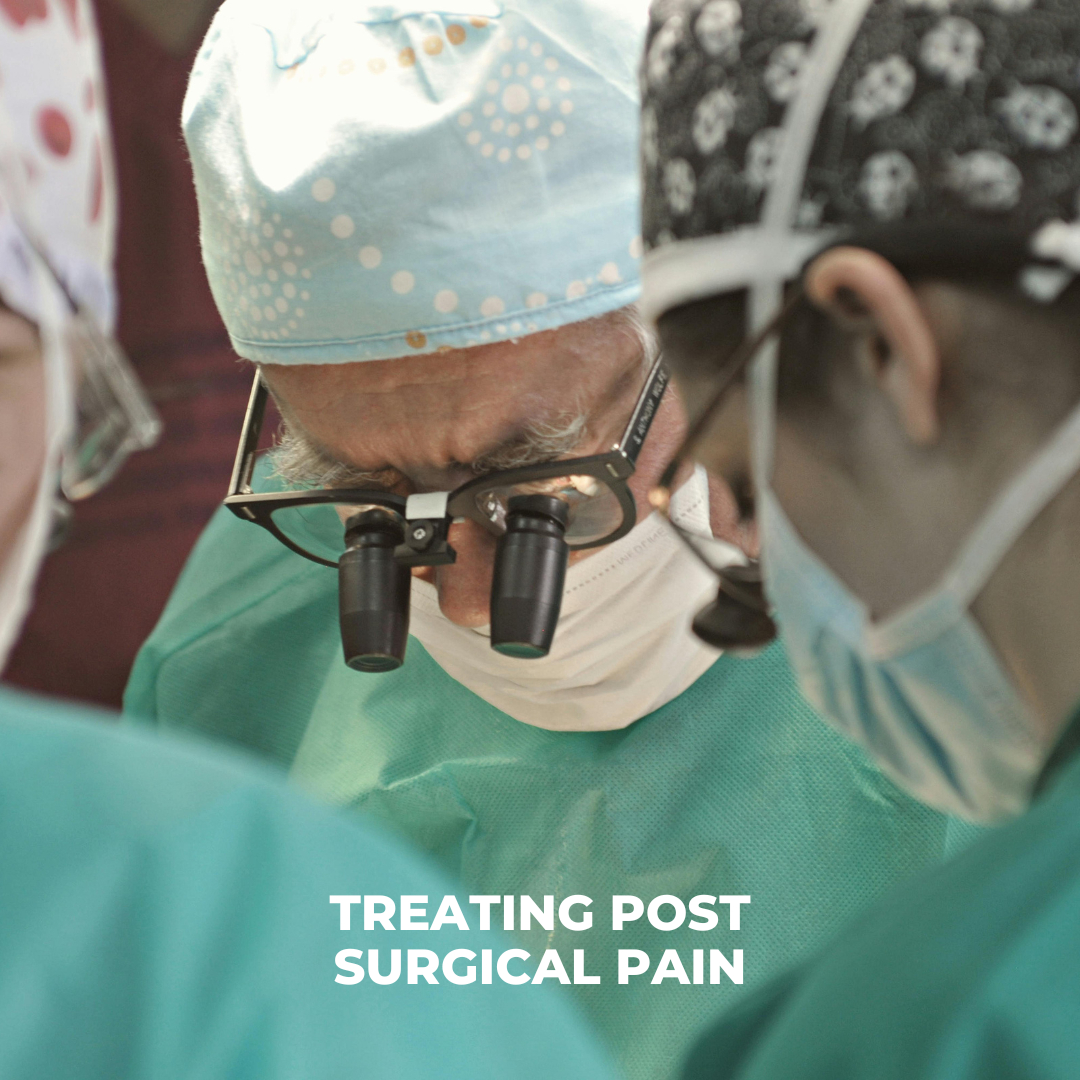
Surgery is meant to improve health, but for some patients, pain lingers long after the procedure. This is known as post-surgical or post-operative pain, and if not addressed early, it can become chronic. Persistent pain can affect not only physical recovery but also emotional well-being, daily functioning, and overall quality of life. At Acute Pain Therapies, we emphasize prevention and early intervention to reduce the risk of long-term pain, helping patients regain comfort, mobility, and confidence in their recovery.
Causes of Post-Surgical Pain
• Nerve injury during surgery
• Scar tissue formation
• Inflammation that doesn’t resolve
• Pre-existing pain conditions
The Importance of Early Intervention
Effective pain management begins before surgery and continues afterward.
-
Nerve Blocks and Regional Anesthesia: These techniques can dramatically reduce acute post-surgical pain, decreasing the likelihood of developing chronic pain.
-
Medication Management: Tailored, non-opioid protocols support healing while minimizing the risk of dependency.
-
Physical Therapy: Early movement and targeted exercises restore mobility, strengthen tissues, and prevent stiffness.
-
Psychological Support: Addressing anxiety, stress, or depression can lower pain perception and improve coping strategies, fostering a more positive recovery experience.
Long-Term Risks Without Treatment
Untreated post-surgical pain can result in limited mobility, sleep disturbances, prolonged recovery, and even opioid dependence. Chronic pain may also contribute to decreased participation in daily activities, diminished mental health, and reduced overall quality of life. Early, comprehensive pain care ensures patients not only heal physically but also maintain independence and emotional resilience. By proactively addressing pain, Acute Pain Therapies helps patients experience a smoother, faster, and more complete recovery.
Schedule in advance!
Follow us on Instagram!