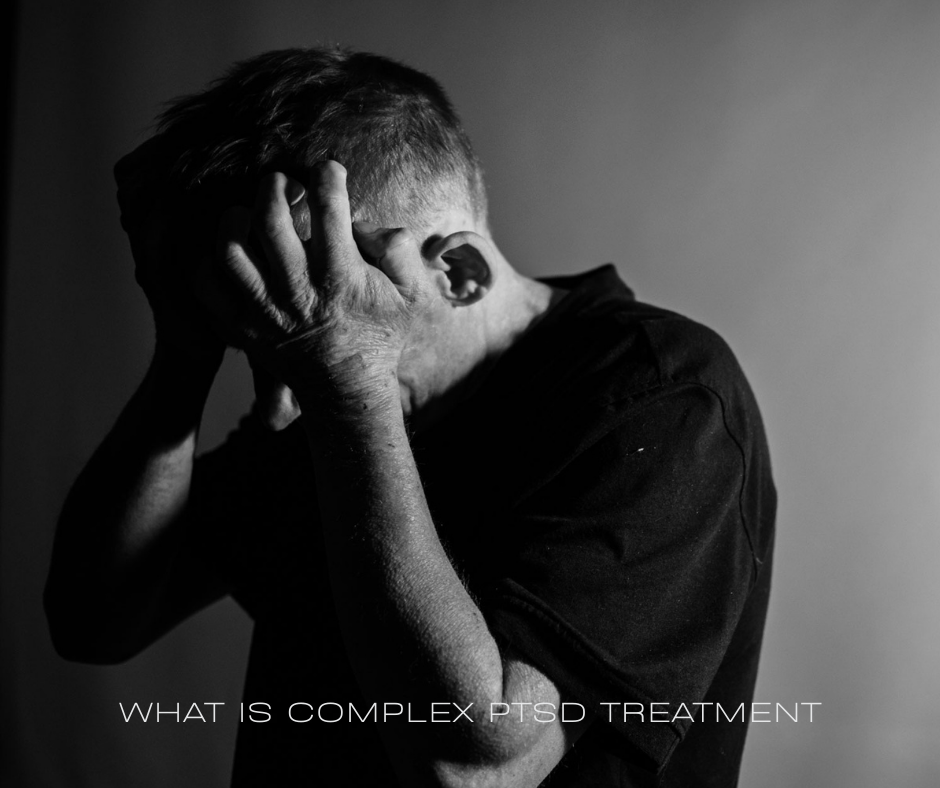
Complex PTSD (C-PTSD) is a serious mental health condition that develops after prolonged or repeated trauma—often during childhood, but sometimes in adulthood as well. Unlike standard PTSD, which can result from a single traumatic event, C-PTSD stems from chronic, ongoing experiences of abuse, neglect, captivity, or other situations where escape wasn’t possible.
At Acute Pain Therapies, we know that trauma can deeply affect both mind and body. Healing requires an approach that is both evidence-based and compassionate. This guide explores Complex PTSD treatment options, including EMDR therapy and other trauma-focused therapies, so you can better understand what’s available and what might work for you.
What Is Complex PTSD?
Complex PTSD shares many symptoms with post-traumatic stress disorder but often includes additional challenges such as:
- Difficulty regulating emotions
- Persistent feelings of shame or guilt
- Negative self-image or sense of worthlessness
- Challenges with trust and relationships
- Dissociation or feeling detached from oneself
- Physical symptoms such as headaches, digestive problems, or chronic pain
These symptoms are a natural response to long-term trauma, but they can significantly disrupt daily life. The good news is that with the right treatment, recovery is possible.
Evidence-Based Complex PTSD Treatments
There is no one-size-fits-all approach to healing from Complex PTSD. Effective treatment often combines different therapies to address both the psychological and physiological impacts of trauma.
- EMDR Therapy (Eye Movement Desensitization and Reprocessing)
EMDR therapy is a widely researched, highly effective treatment for both PTSD and Complex PTSD. EMDR helps the brain reprocess traumatic memories so they lose their intense emotional charge. During sessions, a therapist guides you through recalling distressing events while engaging in bilateral stimulation, such as guided eye movements, taps, or sounds.
Benefits of EMDR for Complex PTSD include:
- Faster reduction in trauma symptoms compared to some traditional talk therapies
- Improved ability to recall memories without emotional overwhelm
- Lasting relief from triggers and intrusive thoughts
- Trauma-Focused Cognitive Behavioral Therapy (TF-CBT)
TF-CBT combines traditional cognitive behavioral therapy techniques with a trauma-sensitive approach. It helps patients process traumatic memories, change unhelpful thinking patterns, and learn coping skills to manage emotional responses.
- Cognitive Processing Therapy (CPT)
CPT is another evidence-based therapy for trauma that focuses on identifying and challenging inaccurate beliefs related to the trauma. It helps reduce self-blame and fosters a healthier perspective on the past.
- Somatic and Mind-Body Approaches
Because trauma is stored not only in the mind but also in the body, treatments like mindfulness, yoga therapy, breathwork, and somatic experiencing can help release physical tension and restore a sense of safety.
Why a Trauma-Informed Approach Matters
For Complex PTSD, treatment should always be delivered in a trauma-informed way—meaning care providers prioritize emotional safety, empower the individual, and avoid re-traumatization. At Acute Pain Therapies, we integrate this approach into all of our treatment plans, ensuring patients feel supported at every step.
Getting Started with Complex PTSD Treatment
Healing from Complex PTSD is a journey, and the first step is finding a therapist or clinic experienced in EMDR therapy and other trauma-focused treatments. At Acute Pain Therapies, our team is committed to helping patients move from survival mode to a place of stability, resilience, and growth.
If you are living with the effects of Complex PTSD, you don’t have to go through it alone. Contact Acute Pain Therapies to schedule a consultation and explore your options for Complex PTSD treatment, EMDR therapy, and other evidence-based trauma-focused therapies.