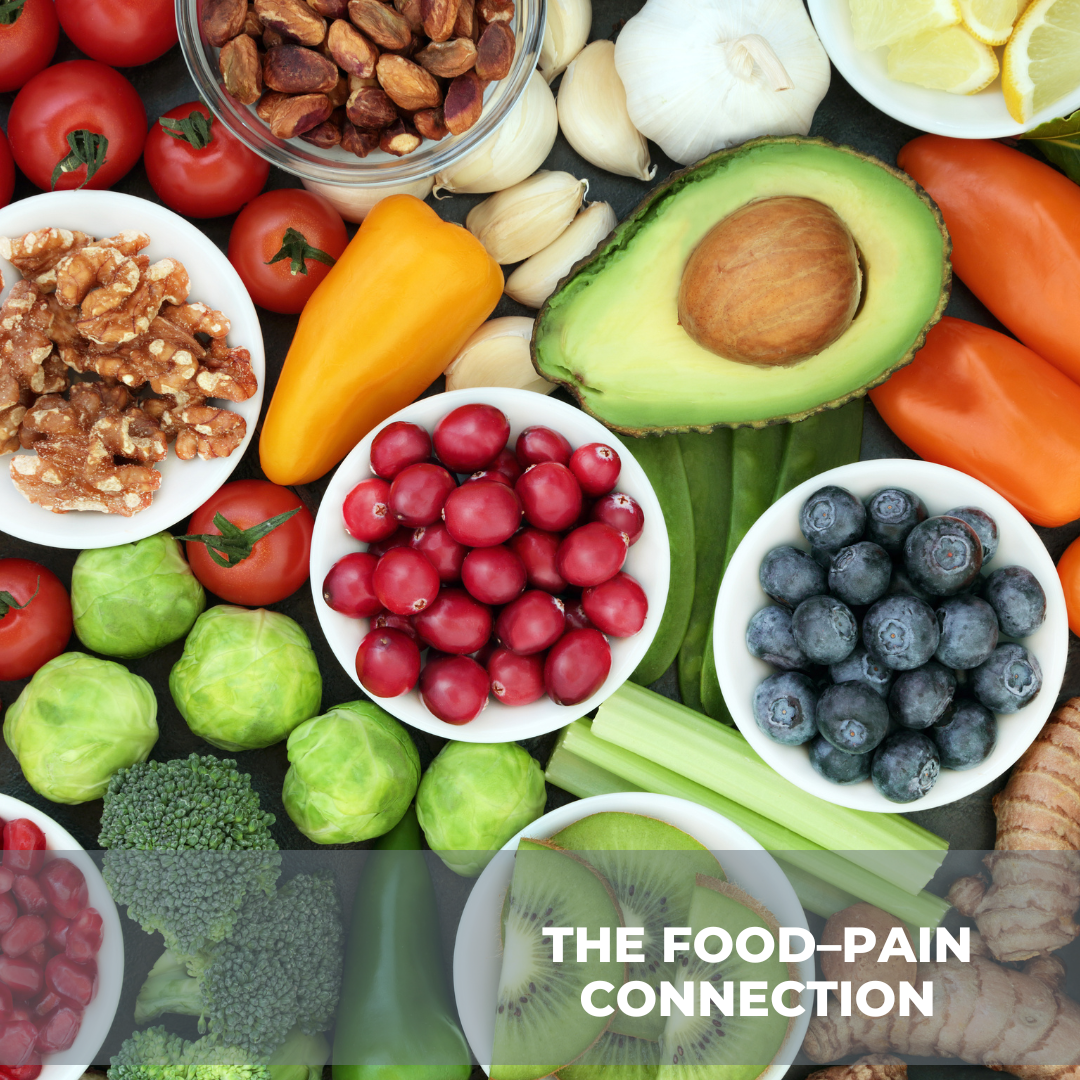
The Food–Pain Connection
What you eat doesn’t just fuel your body—it can directly impact inflammation and pain levels. Chronic inflammation is a key driver of conditions such as arthritis, fibromyalgia, and neuropathic pain. By adjusting nutrition, patients can influence their body’s inflammatory response, supporting both healing and pain management.
At Acute Pain Therapies, we view nutrition as an important partner to interventional treatments, helping patients achieve lasting relief and improved quality of life.
How Inflammation Contributes to Pain
- Increased Sensitivity: Inflammation heightens the nervous system’s response to pain signals.
- Tissue Damage: Persistent inflammation can worsen joint and muscle pain.
- Delayed Healing: Inflammatory processes slow recovery after injuries or surgeries.
- Anti-Inflammatory Nutrition Strategies
- Certain foods can help reduce inflammation and ease pain, while others may worsen symptoms.
Foods That Help
- Fatty Fish (salmon, sardines): Rich in omega-3s that reduce inflammation.
- Fruits and Vegetables: High in antioxidants to combat oxidative stress.
- Whole Grains: Provide fiber that supports gut health and lowers systemic inflammation.
- Spices like Turmeric and Ginger: Natural compounds that have anti-inflammatory effects.
Foods to Limit
- Processed sugars and refined carbs
- Red and processed meats
- Excessive alcohol
- Fried or highly processed foods
- Nutrition and Pain Interventions
Optimizing diet can enhance the results of medical treatments:
Patients undergoing nerve blocks or regenerative therapies often see better healing when following anti-inflammatory diets.
Good nutrition supports immune system balance, making interventional procedures more effective.
Patients with chronic conditions may experience reduced medication needs when inflammation is managed through diet.
A Whole-Person Approach to Pain Relief
At Acute Pain Therapies, we combine advanced procedures—such as nerve blocks, spinal cord stimulation, and ketamine infusion—with lifestyle guidance. Supporting patients in improving nutrition empowers them to heal more effectively and live with less pain.