When Back Surgery Isn’t Enough
For some patients, back surgery doesn’t bring the expected relief. Instead, they may develop Failed Back Surgery Syndrome (FBSS), characterized by persistent or recurring pain after spinal surgery. This can be frustrating and life-limiting, but spinal cord stimulation (SCS) offers new hope.
At Acute Pain Therapies, we specialize in SCS as an advanced option for patients who continue to struggle with pain following surgery.
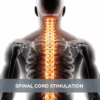
What Is Spinal Cord Stimulation?
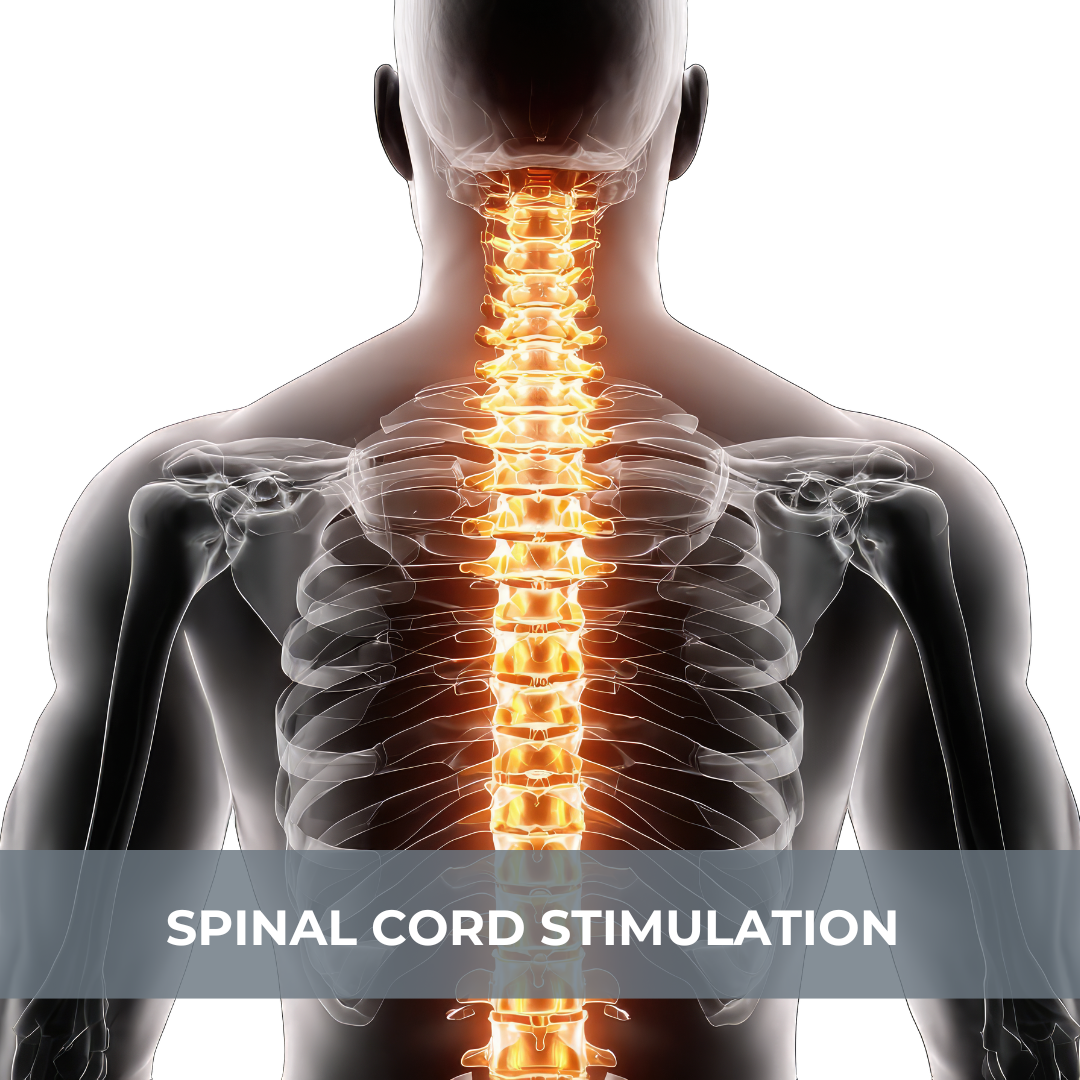
Spinal cord stimulators are implantable devices that deliver mild electrical pulses to the spinal cord. These signals interrupt pain pathways, reducing the perception of pain before it reaches the brain.
Benefits of Spinal Cord Stimulation for FBSS
- Significant Pain Reduction: Many patients report 50% or greater reduction in pain.
- Improved Function and Mobility: Reduced pain allows greater activity and independence.
- Lower Dependence on Medications: Especially important for minimizing opioid use.
- Reversible and Adjustable: The device can be fine-tuned to each patient’s needs and removed if necessary.
Clinical Evidence
Studies show SCS provides long-term relief for patients with FBSS compared to repeat surgeries or medication management.
Patients with SCS often report better quality of life, improved sleep, and higher satisfaction with treatment.
The SCS Process at Acute Pain Therapies
- Trial Phase: A temporary device is placed to test effectiveness.
- Implantation: If successful, a permanent stimulator is implanted.
- Follow-Up Care: Adjustments ensure the best possible pain relief over time.
A Path Forward After Back Surgery
FBSS doesn’t have to mean living with unrelenting pain. With spinal cord stimulation, patients have a chance to reclaim their lives and restore daily function.